

Learn the next decision.
Completed deals for review
A useful starting point is the following overview. Hand History shows recent completed hands recorded while saving was enabled. Each entry identifies its table type, hand number and your net chip change. A hand still in progress appears only in its saved table and is not yet a completed history entry. You can return to this explanation whenever you need a reminder.
Your private cards — details
The explanation below covers the main points. The record includes your two hole cards so you can connect the starting hand with later choices. These cards are shown as rank and suit labels. Use them together with position and the action sequence rather than judging the initial choice only from the final board. A careful reading can help you distinguish the different situations.
The shared board — details
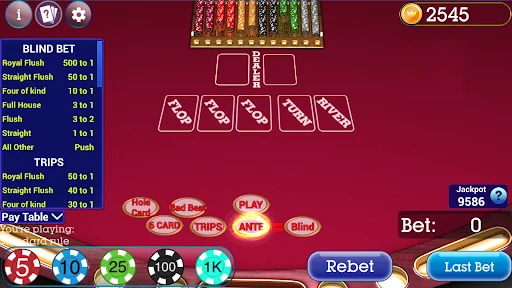
Keep these details in view as you continue. A completed record stores whichever community cards were dealt. When every opponent folds early, later streets may never be revealed. An absent turn or river in that record reflects a hand that ended before those cards were needed. A careful reading can help you distinguish the different situations.
The action sequence
The key details are straightforward. The action list follows the deal from posted blinds through betting and settlement. Amounts attached to raises describe the engine's recorded action for that street. Following the order helps identify when the price changed and which players remained able to act. These details provide context for the choices described here.
Showdown information — details
This overview brings the relevant details together. When the hand reaches showdown, non-folded opponents' revealed cards are retained for review. An opponent who folded has no private cards in the completed history record. Winning without a showdown does not expose the other players' hands after the fact. The same principles apply each time you use this part of the site.
Payouts and net change — details
Here is the context for this part of the site. A hand may include a main pot, side pots and several payouts. Your net change compares your ending stack with the stack at the beginning of that hand. Returning an unmatched wager does not count as earning chips from an opponent. If a question remains, the FAQ form provides a way to contact the operator.
A bounded local history — details
The explanation below covers the main points. The browser retains up to 100 recent completed hands in this installation. As new entries arrive, the oldest entries beyond that limit are removed. Statistics can therefore cover more hands than the detailed review list currently contains. You can return to this explanation whenever you need a reminder.
Separate domain records
The explanation below covers the main points. History belongs to the current browser and domain, with each entry labeled by game mode. It does not synchronize across websites or devices. Clearing browser data or turning saving off removes that local review list. Keeping the full context in mind helps avoid misunderstandings.
Review one decision at a time — details
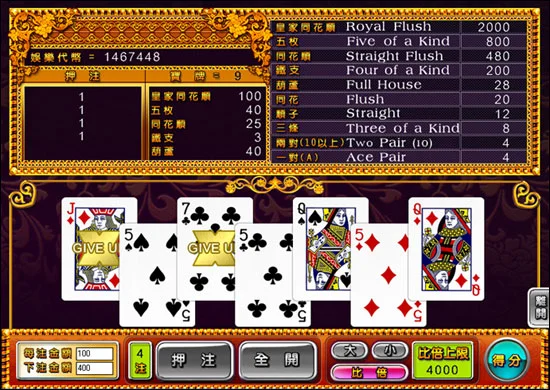
For this topic, keep the following in mind. Pick a point before the outcome was known and reconstruct the available information. Consider the legal alternatives, the bet size, your position and the plausible opposing hands. This avoids using the final card as if it had been visible when you acted. Revisit the relevant section if a detail is unclear.
Share only what you intend
For this topic, keep the following in mind. The built-in social links share the public page address, not your local hand-history records. If you choose to copy a hand into a message yourself, review what you are including. A support question can describe the action without sending unrelated personal details. The surrounding sections explain the related topics in more detail.